📝 内容摘要
整理一则 GPT-Image2 东方神祇御兽插画提示词,保留工笔线描、神将与异兽、兵器飘带、古宣纸与低饱和矿物色等核心要素。
🎨 中文提示词
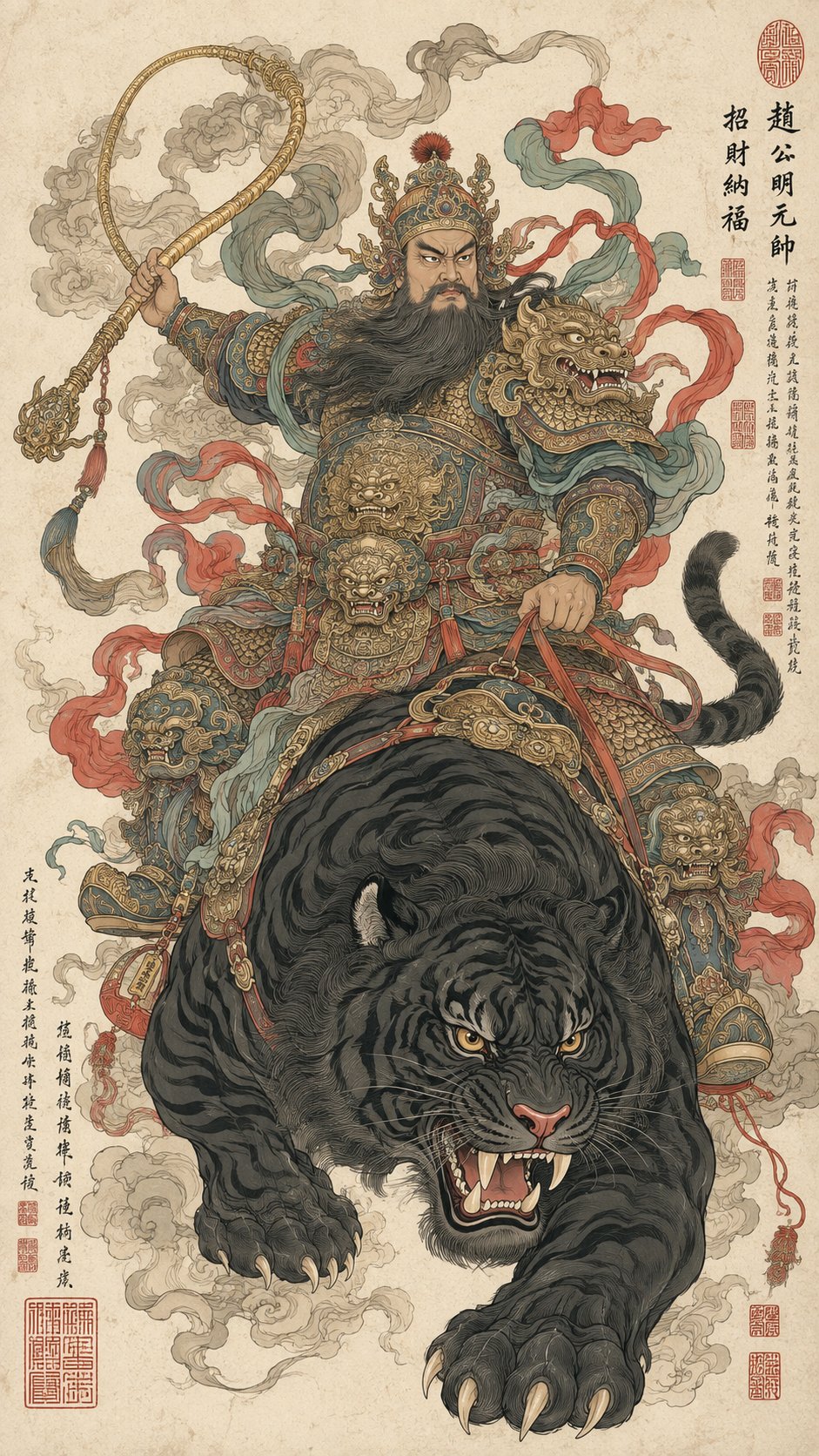
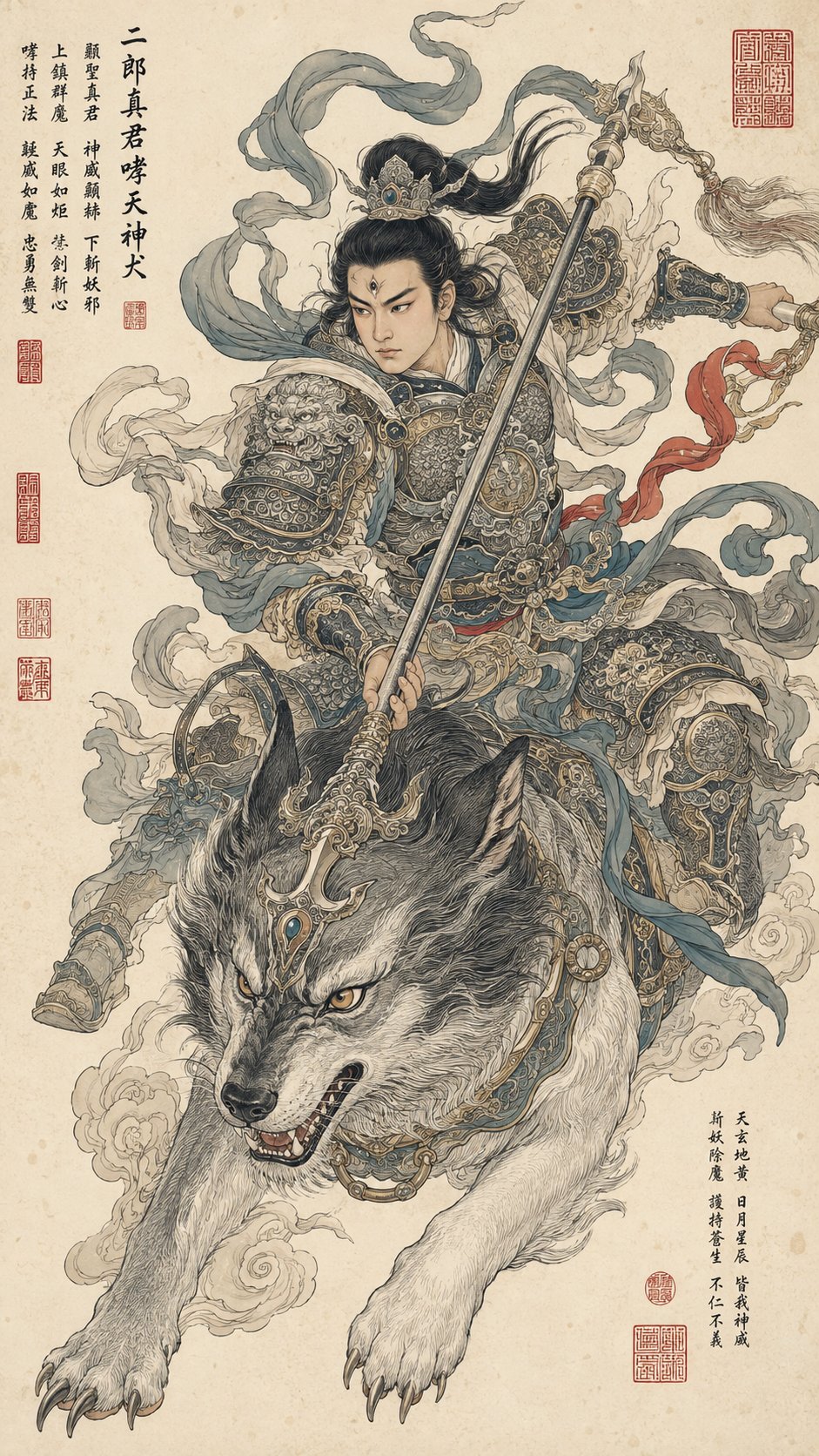
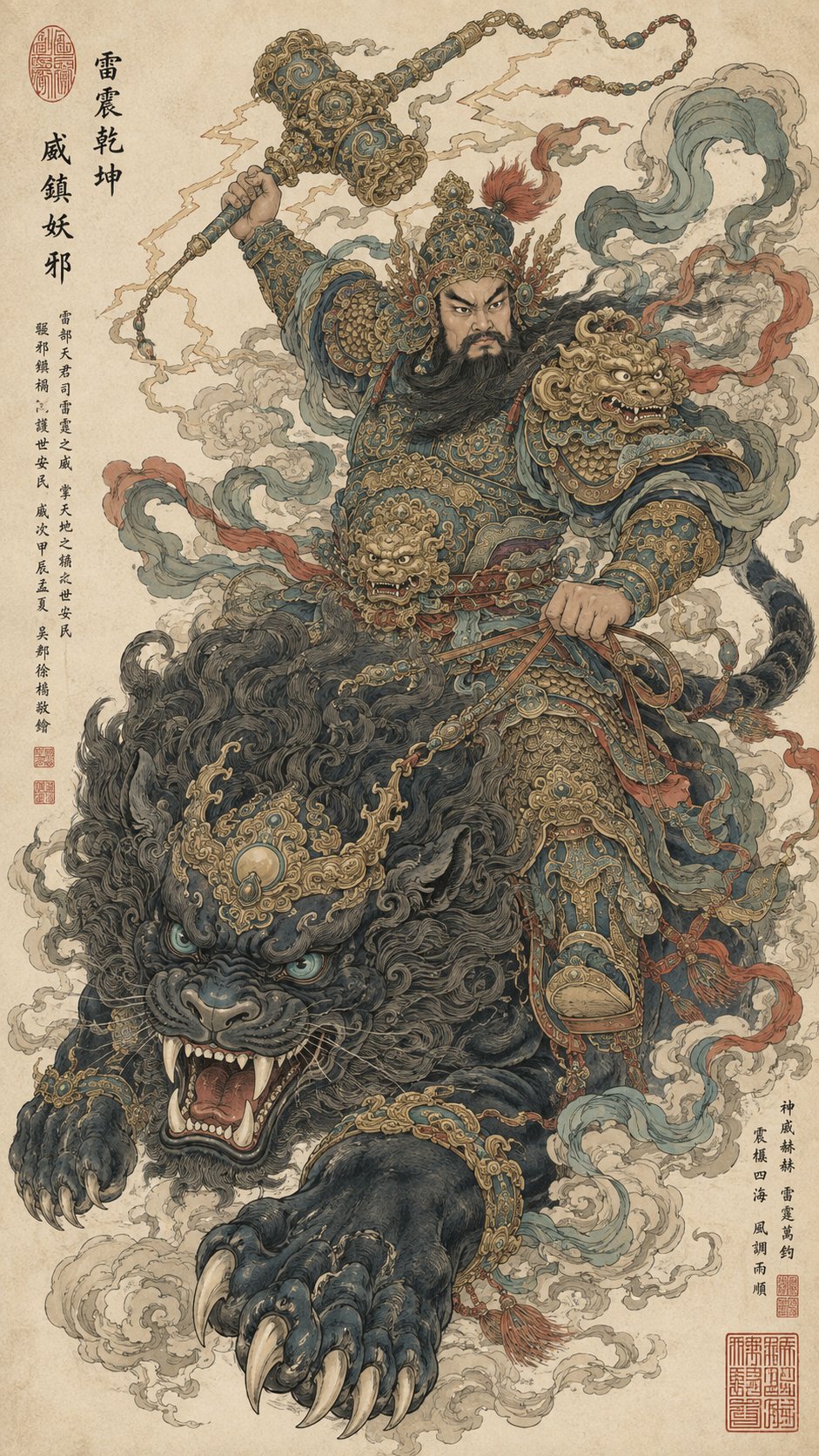
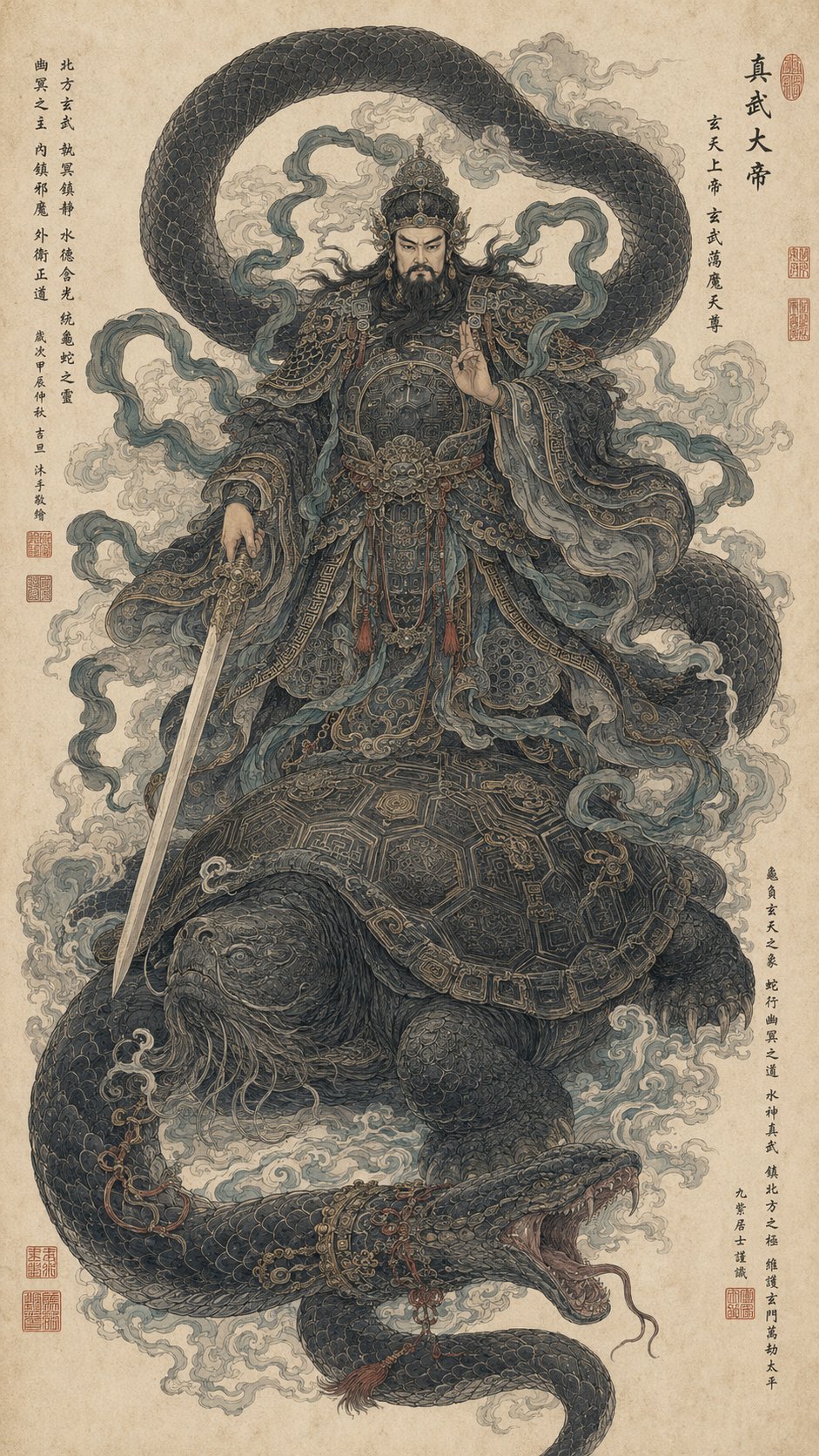
生成一张东方神祇御兽圣像插画,整体融合中国传统神像画、工笔重彩、白描线刻、民俗版画与古籍圣像图卷的视觉语言。
画面以“神祇 + 异兽”为双主体。神祇作为核心视觉主体,异兽拥有足够大的体量和存在感,两者之间形成明确的动作关系,可以是骑乘、镇守、并肩出战或环绕拱卫,而不是简单拼贴。
人物面部威严,有神性和压迫感,避免现代偶像脸和过度妖怪化。服饰采用高完成度传统神将甲胄或法袍,加入云纹、雷纹、兽面纹、鳞甲纹、卷草纹等精密装饰。细节丰富,但人物整体轮廓必须清晰。
异兽具有神兽、灵兽或镇煞坐骑的气质,体型雄健,姿态有力量。毛发、鳞甲、龟甲等通过大量细密而有方向性的线条塑形,强调“以线塑形”的古法工笔质感,不要摄影式毛发或 3D CG 质感。
武器 / 法器要参与构图,形成明显的斜线、纵线或动作主轴。人物姿态避免僵硬站桩,可以加入扭身、压肩、前探、持兵、掐诀、巡行或出击等动作,让整张图具有明确的“势”。
加入适量披帛、衣袂、冠缨、须发、云气、烟气或水气,与人物动作共同形成 S 型、C 型或回旋式流线。流动元素应服务于主题,不要为了丰富而堆满画面。
背景保持古宣纸留白,以米白、象牙白或旧纸色为底,只加入少量题跋、朱印、云纹或烟气,形成古籍圣像图卷感。避免复杂宫殿、战场和完整山水背景。
色彩使用低饱和矿物色体系,以【主色调】为核心,可搭配墨黑、乌青、石青、石绿、铜金、旧金、朱砂、赭红、灰白等颜色。整体古雅、克制,通过少量高饱和色提气。
最终画面要同时具备:东方神祇的庄严感、异兽的压迫感、工笔线描的繁复感、古宣纸的静气,以及清晰有力的构图动势。
避免:现代国潮霓虹、赛博风、3D 游戏原画感、塑料 CG 感、背景过满、人物僵硬、异兽普通化、线条松散、文字乱码过多。
🎨 英文提示词
Create an Eastern deity-and-beast sacred illustration, combining the visual language of traditional Chinese deity paintings, gongbi polychrome, baimiao line carving, folk woodblock prints, and classical sacred-image scrolls.
The composition should use a dual focus of "deity + beast". The deity is the core visual subject, while the beast has sufficient scale and presence. Their relationship should be clearly defined through actions such as riding, guarding, fighting side by side, or encircling protection, rather than a simple collage.
The face should feel solemn, divine, and imposing, avoiding modern idol-like features and excessive monsterization. Clothing should be high-detail traditional divine general armor or ritual robes, with intricate patterns such as cloud motifs, thunder motifs, beast-face motifs, scale motifs, and scroll motifs. Details should be rich, but the overall silhouette must remain clear.
The beast should have the temperament of a divine beast, spirit beast, or suppressive mount, with a strong build and powerful posture. Fur, scales, and shell texture should be shaped through dense, directional linework, emphasizing an old gongbi texture formed by line, not photographic fur or 3D CG rendering.
Weapons or ritual implements should participate in the composition and form clear diagonal, vertical, or action-driven axes. Avoid stiff standing poses; include twisting, leaning forward, holding a weapon, hand seals, patrolling, or striking to give the image a clear sense of momentum.
Add a moderate amount of ribbons, flowing garments, tassels, beard hair, cloud breath, smoke, or water vapor, shaping S-curves, C-curves, or circular flow with the figure's motion. These flowing elements should support the theme and not overcrowd the image.
Keep the background as open xuan paper space, using off-white, ivory, or aged paper tones, with only a small amount of colophon text, red seals, cloud patterns, or haze to create the feel of a classical sacred-image scroll. Avoid complex palaces, battlefields, or complete landscape backgrounds.
Use a low-saturation mineral color system centered on [main color], with optional accents of ink black, dark cyan, stone blue, stone green, bronze gold, aged gold, cinnabar, ochre red, and gray white. The overall tone should be refined and restrained, with a small amount of high-saturation color for emphasis.
The final image must combine the solemnity of an Eastern deity, the pressure of a beast, the density of gongbi linework, the quietness of xuan paper, and a clear, forceful compositional momentum.
Avoid: modern trendy neon Chinese style, cyberpunk, 3D game concept art, plastic CG look, overly crowded backgrounds, stiff figures, ordinary beasts, loose linework, and excessive garbled text.
📷 图片